Nyesom Wike Nigeria News: UniAbuja land cut was approved by Wike’s predecessor – FCTA
Published on: 11/17/2026
By Peace Timothy
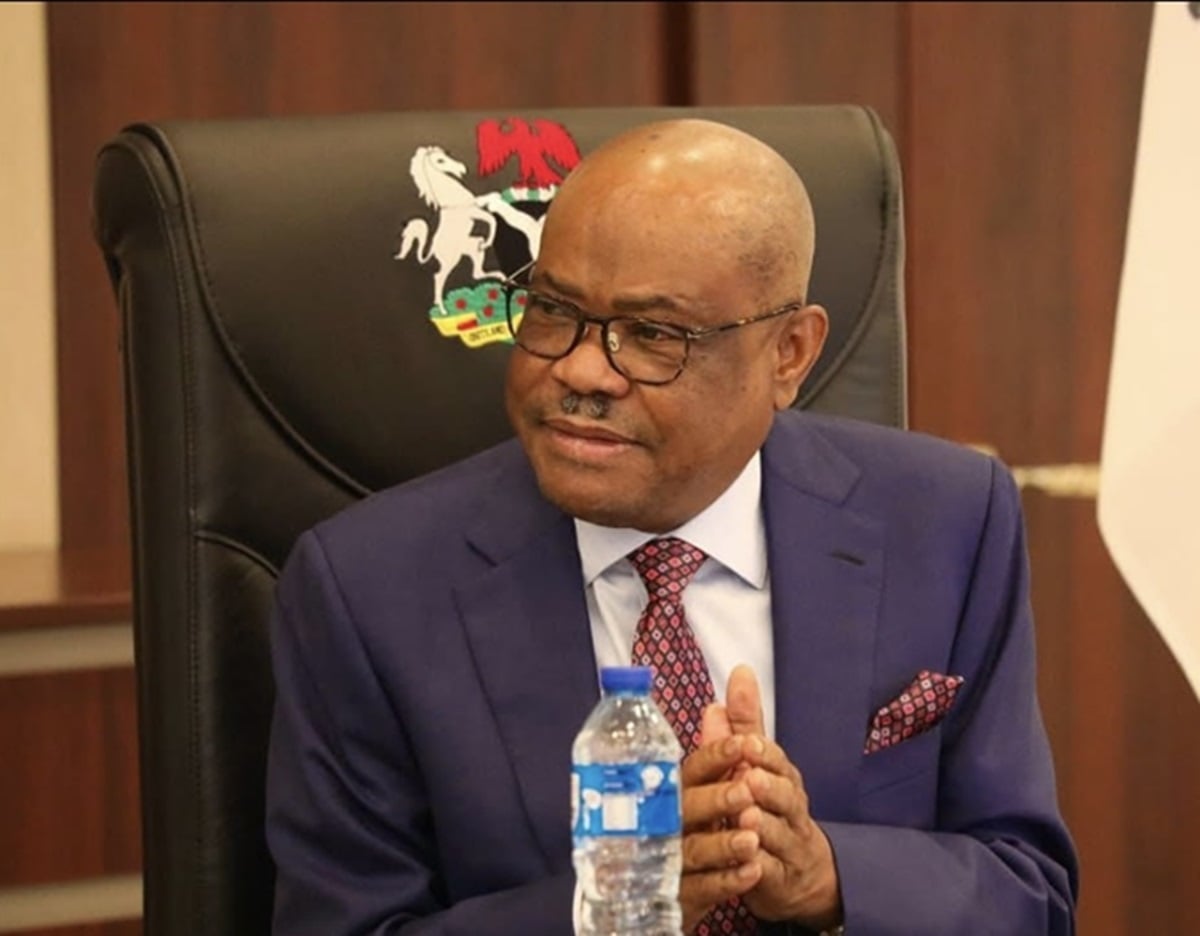
The Federal Capital Territory Administration (FCTA) has justified its decision to downsize the land belonging to the University of Abuja (UNIABUJA), stating that the move enforces recommendations made by a joint committee set up in 2016 under former FCT Minister Mohammed Bello.
According to the FCTA, the panel—which included delegates from both the administration and the university—advised cutting the institution’s massive 11,000-hectare property down to 100 hectares to align with National Universities Commission (NUC) standards. This official response comes after university staff, students, and alumni staged a protest on Monday against current FCT Minister Nyesom Wike's reduction of their original 11,824.04 hectares to 4,685 hectares.
In a Monday press release, Wike’s Senior Special Assistant on Public Communications and Social Media, Lere Olayinka, dismissed the demonstrations as misguided, maintaining that the minister only acted on a policy approved by his predecessor. Olayinka explained that the 12-member joint committee was established on November 10, 2016, to address land size, settler encroachment, illegal structures near the Gwagwalada mini-campus, and title documentation. Five university officials—Prof Otaki Alanana, Prof A. Mallam, Mohamed Kassim, A.E. Ripite, and Sadiq O. Shuaibu—sat on that panel and agreed to the 100-hectare benchmark, which Bello subsequently approved.
Olayinka noted that rather than enforcing the strict 100-hectare limit, Wike generously allocated 4,519.80 hectares to the school—an expanse large enough to hold over 80,000 standard 500-square-metre buildings. Furthermore, the FCTA accused the university of unlawfully carving out and distributing parts of the land to external bodies, such as the Economic and Financial Crimes Commission (EFCC), without government approval.
Challenging the protesting unions—including ASUU, SSANU, NASU, the Students' Union, and the alumni association—Olayinka questioned why the university needed over 11,000 hectares (enough for 220,000 houses) when the land had sat undeveloped for 38 years. He asked the unions to clarify their true motives, arguing that reclaiming unused government land neither threatens staff salaries nor disrupts student academics.
This clash stems from an ongoing battle over land ownership and redistribution in Abuja's Giri District. The dispute began in June 2025 when Wike announced the recovery of roughly 7,000 hectares from UNIABUJA due to improper documentation and a lack of development, directing officials to leave the school with about 4,000 hectares while opening the rest for public infrastructure.
Conversely, university leadership and ASUU insist the original allocation is valid and vital for future academic growth and agricultural research. UNIABUJA Pro-Chancellor Senator Olanrewaju Tejuoso also pointed out that much of the remaining land consists of rocky terrain, severely limiting usable space for construction.
The conflict has since moved to the courts. In Suit No. FCT/HC/CV/3500/2026 at the FCT High Court in Maitama, Justice F.E. Messiri issued an order on August 18, 2026, directing all parties to maintain the status quo regarding Plot No. 1, Giri District, until the case is resolved. However, ASUU has accused the FCTA of defying that court order by allegedly allocating portions of the contested land to private individuals and firms on September 26, 2026.
Nyesom Wike News